Introduction:
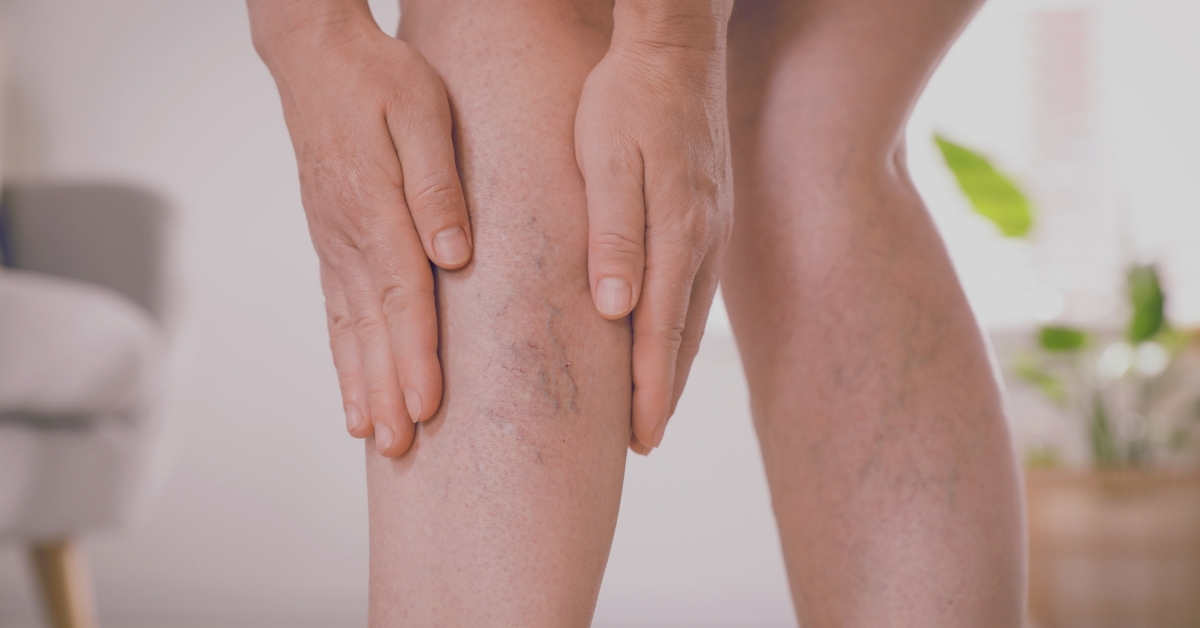
Varicose veins often begin subtly. You might experience heaviness in your legs after long hours standing, occasional cramping at night or a persistent itch along your calves. Over time, the veins may twist and bulge, revealing bluish or purplish lines beneath the skin. While many dismiss this as a cosmetic issue, varicose veins indicate strain on your circulatory system.
In today’s sedentary lifestyle, prolonged sitting or standing due to work nature or for women in pregnancy has become a major trigger. However, the root cause often extends beyond posture. Ayurvedic principles suggest imbalances in Vata and Kapha doshas, the accumulation of ama (toxins), hormonal shifts and weight gain can all weaken vein walls and valves. This leads to blood pooling and vein enlargement. In this article, we’ll explore Ayurvedic insights into varicose veins—its causes, symptoms, and practical natural treatments.
Ayurveda Reference of Varicose Veins:
In Ayurveda, varicose veins are recognized as Sira Granthi – knots in the veins (Sira = blood vessels, Granthi = knot or nodule). Ancient Ayurvedic texts, including the Sushruta Samhita, describe Sira Granthi as a condition where the veins (Siras) become engorged with air (Vata) and blood (Rakta), forming twisted, dilated, and knot-like structures beneath the skin.
Causes of Varicose Veins:
- Hormonal and Metabolic Imbalances: Thyroid disorders, diabetes, pregnancy, menopause, and other hormonal fluctuations weaken vein walls and increase susceptibility.
- Obesity and Excess Weight: Extra body weight compresses veins, hindering blood flow and adding stress to vessel walls.
- Occupational Factors: Prolonged standing (e.g., surgeons, security staff) or long sitting (e.g., IT professionals, drivers) impairs calf muscle pumping, causing blood stagnation.
- Sedentary Lifestyle: Lack of regular exercise reduces circulation, allowing toxins and blood congestion to accumulate.
- Dietary Habits: Excessive intake of fatty, oily, cold, heavy, sticky, or junk foods can create toxins that accumulate in vein walls and weaken their structure.
- Poor Digestion and Metabolic Toxins: Improper digestion leads to toxic buildup in blood and tissues, contributing to vein inflammation and congestion.
- Physical Stress and Trauma: Repetitive lifting, prolonged standing, or injury aggravates Vata, making veins dry, stiff, and less elastic.
- Genetic Predisposition: Family history may increase vulnerability to weak vein walls.
- Women & Pregnancy: Increased blood volume and pressure on pelvic veins during pregnancy, combined with post-pregnancy hormonal changes increase the risk of varicosity.
Pathology:
In Ayurveda, varicose veins (Sira Granthi) develop due to the vitiation of Vyana Vata, which governs blood circulation. The imbalance causes the veins to lose tone, flexibility, and proper flow.
- Sankocha (Constriction): Aggravated Vata dries and stiffens vein walls, narrowing segments of the veins.
- Vakreekarana (Twisting of Veins): Loss of elasticity leads to tortuous, bulging veins, forming visible nodules.
- Poor Circulation: Impaired Vyana Vata reduces venous return to the heart, causing blood stagnation, vein engorgement, and swelling.
Symptoms:
- Bulging & Tortuous Veins: Rope-like, twisted veins that may appear blue, purple, green, or black, often forming clusters on the legs, ankles, and feet.
- Leg Heaviness & Fatigue: Legs may feel heavy, tired, sluggish, or painful, especially after prolonged standing or exercise.
- Swelling & Throbbing: Ankles, feet, and lower legs can swell and throb due to impaired venous return.
- Itching & Discomfort: Skin around affected veins may itch, burn, or feel sensitive.
- Leg Pain & Cramps: Aching or soreness behind the knees or calves, often worse at night or after activity.
- Skin Discoloration & Ulcers: Chronic varicosity can cause brownish or dark discoloration, venous ulcers, or non-healing sores if left untreated.
- Numbness & Tingling: Circulatory stagnation can lead to numb, burning or tingling sensations in the legs.
Complications
- Bleeding: Superficial veins may rupture, causing painful bleeding.
- Venous Ulceration & Non-Healing Sores: Ruptured veins or persistent ulcers may develop due to chronic venous insufficiency.
- Superficial Vein Thrombosis
- Deep vein Thrombosis
Left unaddressed, varicose veins can lead to formation of thrombus (blood clot) . If this clot dislodges, it can travel to the lungs (pulmonary embolism) or heart, potentially leading to heart attack or paralysis. Studies confirm that pulmonary embolisms originate from deep vein thrombosis in the legs .
While typically seen in the legs, varicose veins can occur elsewhere in food pipe it is Oesophageal varices, in scrotum lead to Varicocele, in rectum Piles.
Treatment:
Treatment combines Shamana Chikitsa (palliative therapy), Shodhana Chikitsa (purification therapy), and lifestyle & supportive measures.
Shamana Chikitsa (Palliative/Pacifying Therapies):
- Internal Medications: Herbal formulations like Kaishora Guggulu, Guduchyadhi kashyam, Sarivadiasavam those that purifies blood and pacifies vata are highly effective. They help in reducing venous congestion and rejuvenating the venous valves . Please consult Ayurvedic consultant and have with proper Prescriptions.
- External Applications: Medicated oils like Sahacharadi Taila , Pinda thailam or herbal pastes are applied to reduce inflammation and pain.
Shodhana Chikitsa (Purification/Bio-cleansing):
- Raktamokshana (Bloodletting): This is the cornerstone of treatment for vitiated blood (Rakta dushti). The two primary methods are:
- Jalaukavacharana (Leech Therapy): Leeches are applied to the affected area. They suck out impure, stagnant blood (Dushta Rakta) from the veins. Their saliva contains hirudin, which acts as a blood thinner and anti-inflammatory, instantly relieving pressure, pain, and congestion . Many Ayurveda centres specialise in these therapies an age old method to release impure blood.
- Siravedha (Venesection): A controlled puncture of the vein to remove impure blood, specifically indicated for Vata-Rakta conditions .
- Panchkarma: Internal Purification with these therapies cleanse the whole body and removes toxins and helps to rule out from its roots.Move Frequently: Avoid sitting or standing for long periods. Take breaks to walk or do ankle pumps to activate the calf muscle pump.
While modern hospitals offer surgical and minimally invasive procedures for varicose veins, many people are increasingly turning to Ayurveda for a natural, holistic approach.
Lifestyle Modifications & Exercise / Yoga:
- Wearing Crepe bandage or Special socks for varicose can give symptomatic relief from pain and numbness.
- Move Frequently: Avoid sitting or standing for long periods. Take breaks to walk or do ankle pumps to activate the calf muscle pump.
- Elevate Your Legs: When resting, keep your legs slightly above heart level.
- Manage Weight and Hormones: Address underlying issues like thyroid, diabetes, and obesity early on.
- Hydrate: Drink warm water to flush out toxins and keep the blood fluid.
- Exercise & Yoga: Moderate activity like walking, swimming, and asanas such as Viparita Karani, Pawanmuktasana, and Sarvangasana improve circulation and strengthen leg veins.
- Diet: Consume light, warm, and easily digestible foods. Avoid heavy, oily, cold, sticky, or excessively salty foods that worsen venous congestion. Include high-fibre foods to prevent constipation, a contributor to vein stress.
Conclusion:
Varicose veins if diagnosed early treated in early stage can avoid serious complications. Prevention is always better than cure. Listening to the body’s early warnings is the first step toward lasting vascular health. Varicose veins are a clear signal from the body that the circulatory system is not well due to diet, lifestyle, occupation, hormone and metabolic imbalances. By maintaining healthy digestion, supporting circulation, and correcting lifestyle habits, doing proper exercise varicose veins can often be prevented — and when present, effectively managed in Ayurveda.