Introduction:
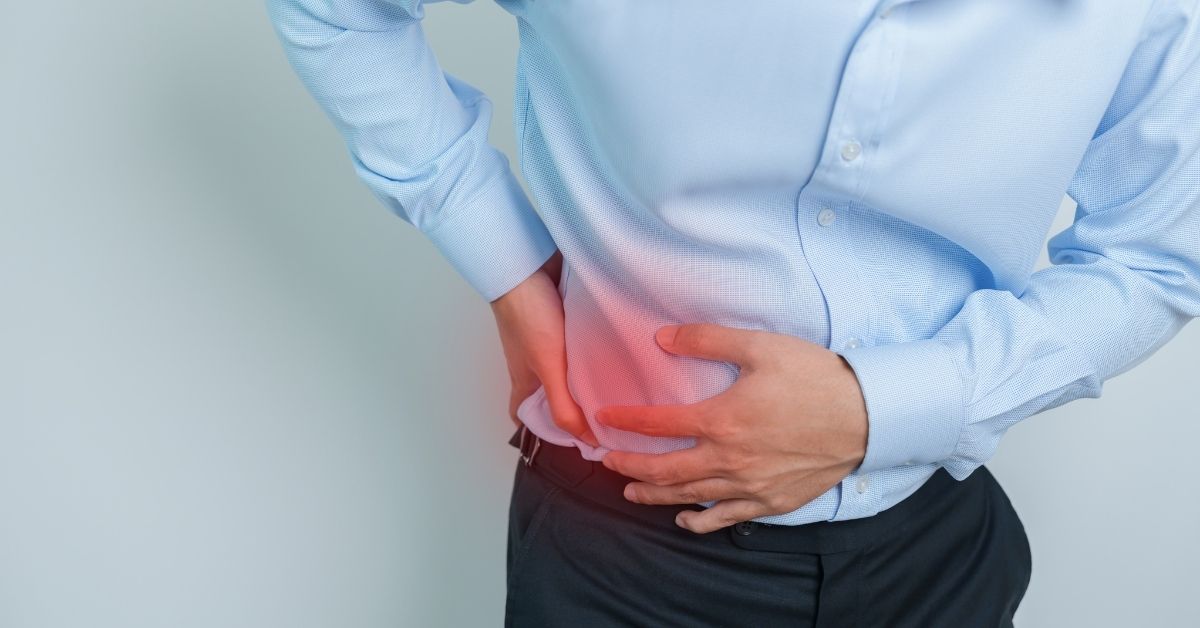
Have you heard of stones? Yes, it is a common problem that often goes unnoticed until we get that sudden, severe, acute pain in the abdomen that ends up in hospitalization. These Urinary stones are widespread nowadays if left untreated, about 50% of cases could potentially lead to kidney damage or renal impairment . Let’s have a brief but comprehensive article about urinary stones and their management in Ayurveda.
Ayurvedic Reference to Ashmari:
Urinary stones, known as Ashmari in Ayurveda, are a common disorder of the urinary system (Mutravaha Srotas). The name Ashmari literally means that which resembles a stone and describes the hard, stone-like masses that can form in the kidneys or urinary tract. Classical Ayurvedic texts like the Sushruta Samhita and Charaka Samhita extensively describe this condition, highlighting its long-standing importance in human health. Sushruta explains that stones form mainly due to urine stagnation and supersaturation with crystallised urinary particles. Ashmari is classified as a Tridoshaja Vyadhi, involving all three doshas, and is considered a severe condition. Sushruta even compares its intense pain to the wrath of Yama, the God of Death.
Causes of Urinary Stones in Ayurveda
According to Ayurveda, urinary stones (Ashmari) form due to the vitiation of doshas, improper diet, and lifestyle habits that disturb the urinary system.
- Unwholesome diet: Excessive intake of dry, salty, or heavy foods.
- Improper lifestyle: suppression of natural urges, Excessive exercise, walking, travel or lack of exercise, improper sleep
- Improper Body Detoxification: Toxins fail to be eliminated due to unhealthy habits and suppressed natural urges
- Low water intake
- Urinary obstruction
- Metabolic imbalance
- Excessive consumption of certain medications or chemicals
- Idiopathic or individual factors: Genetic predisposition or unknown causes.
Types of Ashmari and Symptoms in Ayurveda:
Vataja Ashmari: Hard, rough stones, presents with severe colicky pain and difficulty in urination.
Pittaja Ashmari: Stones with burning micturition and yellow‑to‑reddish urine.
Kaphaja Ashmari: Larger, smooth stones; causes heaviness and dull pain in the bladder.
Shukraja Ashmari: Stone associated with seminal stagnation, presents with pain in the bladder and dysuria.
Urinary Stones in Modern Medicine
In modern medicine, urinary stones (also called renal calculi, nephrolithiasis, or urolithiasis) are crystalline accumulations of minerals and salts that form in the kidneys or anywhere along the urinary tract. These hard deposits develop when substances in the urine become supersaturated and crystallise, eventually aggregating into stones that can cause pain and obstruction.
Symptoms of Urinary Stones
Severe Flank or Back Pain: Sudden, sharp pain in the side or back, Loin to Groin Pain often radiating to the lower abdomen and groin.
Pain During Urination (Dysuria): Burning or stinging sensation while passing urine.
Hematuria: Blood in the urine, appearing pink, red, or brown.
Frequent Urination: Increased urge to urinate or small, frequent amounts.
Nausea and Vomiting: Often due to severe pain or obstruction of the urinary tract.
Cloudy or Foul-Smelling Urine: May indicate infection associated with stones.
Fever and Chills: Usually present if there is a concurrent urinary tract infection.
Restlessness or Inability to Find a Comfortable Position: Pain often comes in waves and can be very intense.
Diagnosis:
- Urine and Blood Tests: To check for infection, blood, and metabolic factors that promote stone formation (like high calcium or uric acid)
- X Ray
- Computed Tomography (CT) Scan
- Ultrasound (USG): The first-line, non-invasive modality to detect stones, hydronephrosis, and obstruction.
Treatment
Treatment depends on the size, location, and symptoms caused by the stone.
Pain Management: NSAIDs (e.g., ibuprofen, diclofenac) are commonly used for acute pain relief.
Medical Expulsive Therapy
Extracorporeal Shock Wave Lithotripsy (ESWL)
Ureteroscopy
Surgical Removal
Ayurvedic Treatment:
Ayurvedic management focuses on breaking the chain of pathogenesis. The treatment principles are not just to remove the stone but to correct the underlying metabolic imbalance to prevent recurrence. Treatment is broadly classified into palliative and Shodhana purification therapies.
Internal Medications:
Varanadhi Kashyam, Virataradi Kashayam, Punarnavadhi Kasyam, Elakanathi Kashyam, Pathyapunarnavadhi Kashyam
Chandrapraba vati, Gokshradhi Guggulu, Shiljatu Vati
Patent Medcines like Cystone, Vasu Ural Capsules, Bhagat Kid Care have worked instantly in my practise.
Please consult Physician before taking these medcines.
Panchakarma:
These are detoxification procedures that help in eliminating the vitiated doshas from the root .
A set of 8 medicated enemas (alternating with oil-based and decoction-based enemas) is considered the best treatment for Vata disorders located in the Pakvashaya (colon), which has a regulatory role over the entire urinary system. A clinical trial using Yoga Basti with Sahacharadi oil (Anuvasan) and Varunadi Kwath (Asthapan) showed significant results in breaking down and expelling calculi .
Tips to Avoid Urinary Stones:
- Hydrate: Drink plenty of water throughout the day to keep urine diluted. This is the single most important preventive measure.
- Limit Oxalate-Rich Foods: If prone to calcium oxalate stones, moderate the intake of spinach, tomatoes, beetroot, nuts, and tea.
- Reduce Salt and Protein foods: High sodium and non-vegetarian protein can increase calcium and uric acid levels in urine.
- Maintain a Healthy Weight: Obesity and metabolic syndrome are linked to a higher risk of stones .
- Avoid Suppressing Natural Urges: Do not hold urine for long periods.
- Include in Diet more beans shaped vegetables like Kidney beans, Brinjal, Ashgourd, Peas, , Green chilli, Pulses, bengal gram, Wheat, Soaked grains, Bitter gourd, Papaya, Amla, Grapes, Apple & Mango.
- Horse Gram(Kollu in Tamil) Decoction: A simple and effective home remedy. A clinical study showed a success rate of over 63% in managing with this therapy .
- Take diluted or watery Green gram soup, rice porridge, Buttermilk, Lemon water, Sugarcane Juice & coconut water/milk
When to Choose Ayurveda vs Surgery? A Critical Warning
If you have severe, acute pain with high fever and vomiting, or if the stone is larger and causing a complete obstruction, infection, or kidney damage, do NOT take a risk. Immediate surgical intervention is often the safest and most advisable course of action.
Ayurvedic management is typically most effective for stones less than 8mm in size that are not causing acute complications .
Conclusion
Urinary stones (Ashmari) are a painful but manageable condition. Modern medicine provides rapid relief, emergency care, and surgical solutions for larger or obstructing stones, while Ayurveda offers a holistic approach that addresses the root causes and helps prevent recurrence. Prevention is the best choice so maintain a healthy lifestyle, stay appropriately hydrated, and be mindful of your genetic predispositions by avoiding foods that may harm the kidneys. For optimal care, always consult both a Urologist and a qualified Ayurvedic physician to develop a safe, personalised treatment plan tailored to your condition.