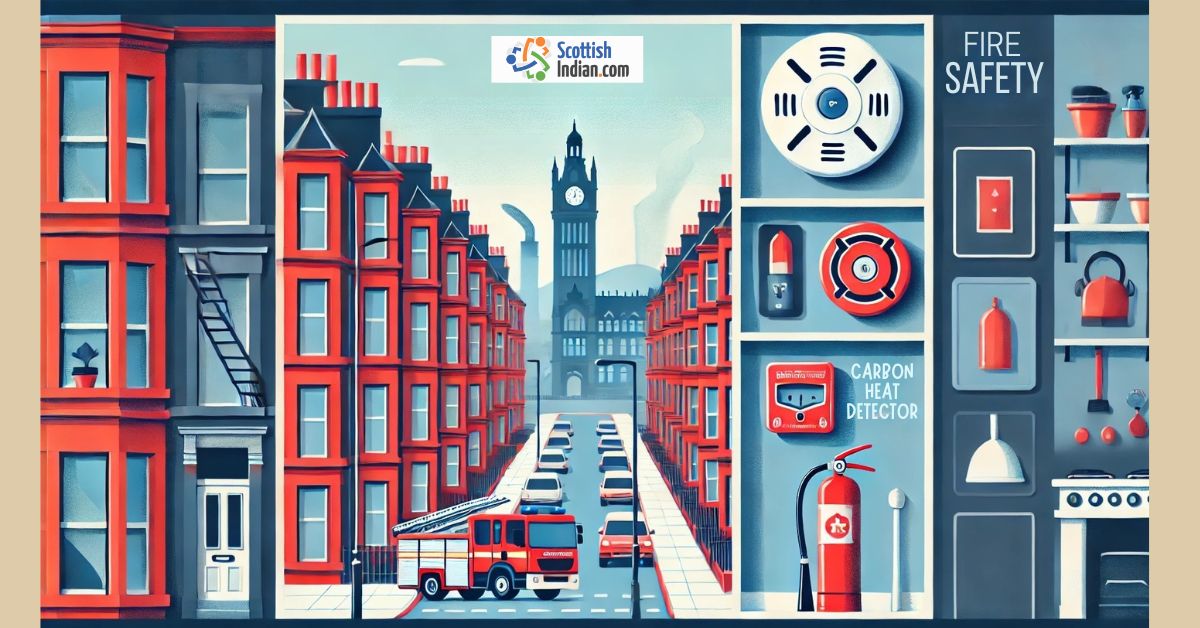
Fire safety is a critical part of everyday life in Scotland. Whether you live in a house, flat, or rented accommodation, understanding the country’s fire safety regulations helps protect you, your family, and your community.
In recent years, Scotland has strengthened its fire safety rules to ensure that homes are better prepared for emergencies. For residents including international students, professionals, and families settling in Scotland, knowing these regulations can help prevent accidents and ensure compliance with the law.
If you are new to the country and want to understand how public systems and regulations work, you may also find our guide on Understanding the United Kingdom’s Economy helpful.
Fire Safety Laws in Scotland
Fire safety in Scotland is regulated by the Scottish Government and enforced by the Scottish Fire and Rescue Service (SFRS). The rules aim to reduce fire risks in homes, workplaces, and public buildings.
One of the most important legal changes came in February 2022, when new legislation required every home in Scotland to have an interlinked fire alarm system.
These regulations apply to:
- Houses
- Flats and apartments
- Owner-occupied homes
- Private rental properties
- Social housing
The goal is to ensure that people receive early warnings in case of a fire, giving them more time to evacuate safely.
Official safety guidance and policy updates can be found on the Scottish Government fire and rescue policy page.
Mandatory Smoke and Heat Alarms
Under Scottish law, every home must have interlinked smoke and heat alarms. This means that when one alarm detects smoke or heat, all alarms in the property sound simultaneously.
A typical setup includes:
- One smoke alarm in the main living room or most used room
- One smoke alarm in every hallway or landing
- One heat alarm in the kitchen
The alarms must be interlinked so they communicate with each other, either through wiring or wireless technology.
Carbon Monoxide Detectors
Homes with fuel-burning appliances must also install carbon monoxide detectors.
This includes properties with:
- Gas boilers
- Wood-burning stoves
- Coal fires
- Oil heaters
Carbon monoxide is a colourless and odourless gas that can be extremely dangerous. Detectors provide an early warning if levels become unsafe.
Responsibilities for Landlords and Tenants
Fire safety responsibilities in Scotland are shared between landlords and tenants.
Landlords must:
- Install the required smoke and heat alarms
- Ensure alarms are working at the start of a tenancy
- Provide carbon monoxide detectors where necessary
- Maintain fire safety standards in rental properties
Tenants should:
- Test alarms regularly
- Replace batteries if needed
- Report faulty alarms to landlords immediately
- Avoid blocking fire exits or escape routes
Understanding these responsibilities helps maintain safe living conditions for everyone.
You can arrange a free safety visit here:
https://www.firescotland.gov.uk/your-safety/home-fire-safety
Fire Safety in Flats and Shared Buildings
Many people living in Scotland, especially in cities like Glasgow and Edinburgh reside in flats or shared buildings. These properties often have additional safety considerations.
Residents should:
- Keep communal hallways clear of obstacles
- Avoid storing items near fire exits
- Follow building evacuation procedures
- Never tamper with fire doors or alarm systems
Fire doors play a crucial role in slowing the spread of flames and smoke, giving residents more time to escape.
Practical Fire Prevention Tips
While regulations provide protection, everyday precautions are equally important.
Here are a few simple fire prevention tips:
🔥 Never leave cooking unattended
🔥 Keep flammable materials away from heaters
🔥 Avoid overloading electrical sockets
🔥 Switch off appliances when not in use
🔥 Keep candles away from curtains and furniture
Regularly checking smoke alarms and practicing a household escape plan can also improve safety.
Free Home Fire Safety Visits
The Scottish Fire and Rescue Service offers free home fire safety visits for residents across Scotland.
During these visits, firefighters can:
- Check smoke alarms
- Provide fire safety advice
- Identify potential hazards in the home
- Help residents develop an escape plan
This service is especially helpful for new residents who may not be familiar with local safety guidelines.
Why Fire Safety Awareness Matters
Fires can happen unexpectedly, but preparation and awareness significantly reduce risks. Scotland’s fire safety regulations are designed to protect communities and ensure that homes are equipped with early warning systems.
For residents, including students, families, and professionals moving to Scotland—understanding these rules is an important step toward living safely and responsibly.
By following regulations, maintaining alarms, and practicing basic fire safety habits, everyone can help create safer homes and neighbourhoods across Scotland.